Shower Tile Waterproofing in Denver County, CO
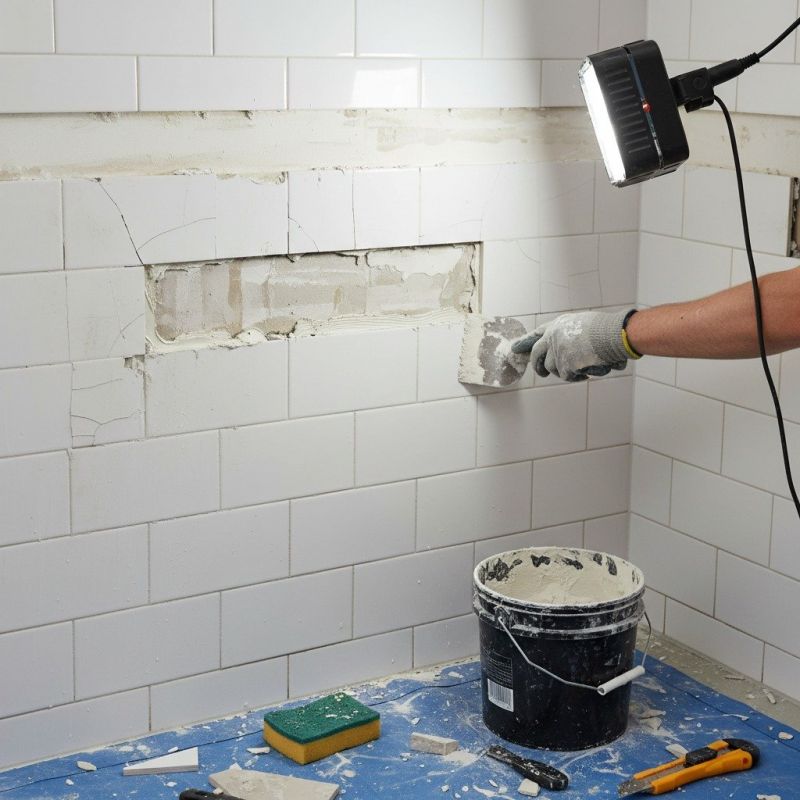
Shower tile waterproofing services help protect bathroom areas from water damage by creating a moisture-resistant barrier beneath tile surfaces. This service is essential for both new shower installations and existing setups that may be experiencing leaks or deterioration. Projects typically include sealing shower walls, floors, and joints to prevent water from seeping into underlying structures, which can cause mold, rot, and costly repairs over time. Property owners often want to understand the materials used, the scope of waterproofing, and how the process can extend the lifespan of their shower area.
Before requesting shower tile waterproofing, homeowners usually seek information about the durability of the waterproofing materials, the areas covered, and whether the service is suitable for different types of tile and grout. It’s also common to inquire about preparation steps, the importance of proper sealing, and how waterproofing can help maintain a healthy, mold-free bathroom environment. Clear understanding of these aspects can help property owners make informed decisions to protect their investment and ensure long-term bathroom functionality.
Many property owners in Denver County, CO look into Shower Tile Waterproofing for repairs, replacements, upgrades, and appearance-related improvements.
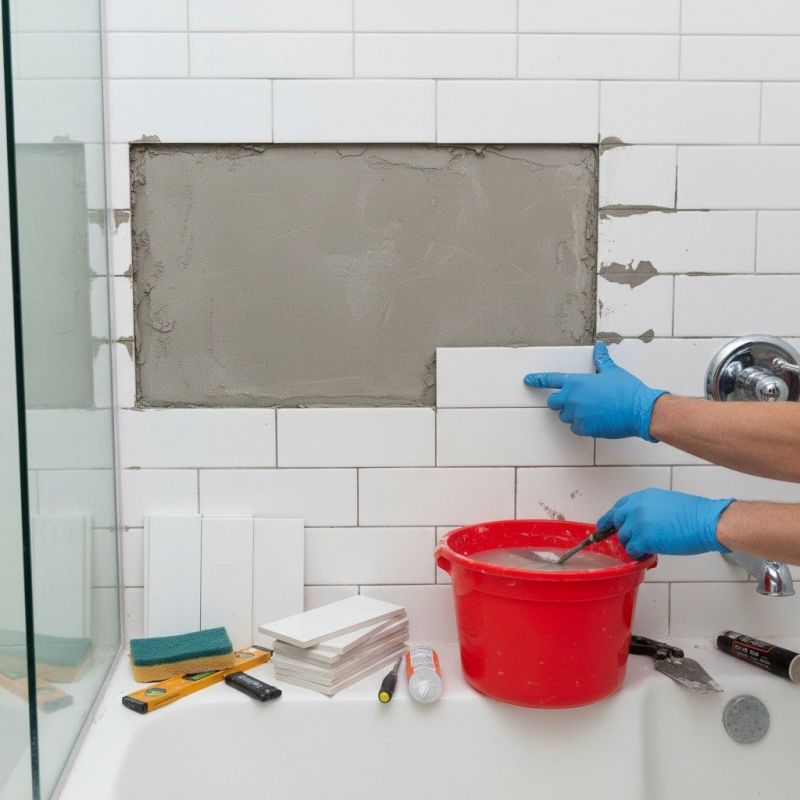
Shower Tile Waterproofing Solutions
Proper waterproofing helps prevent water damage and mold growth in bathroom showers.
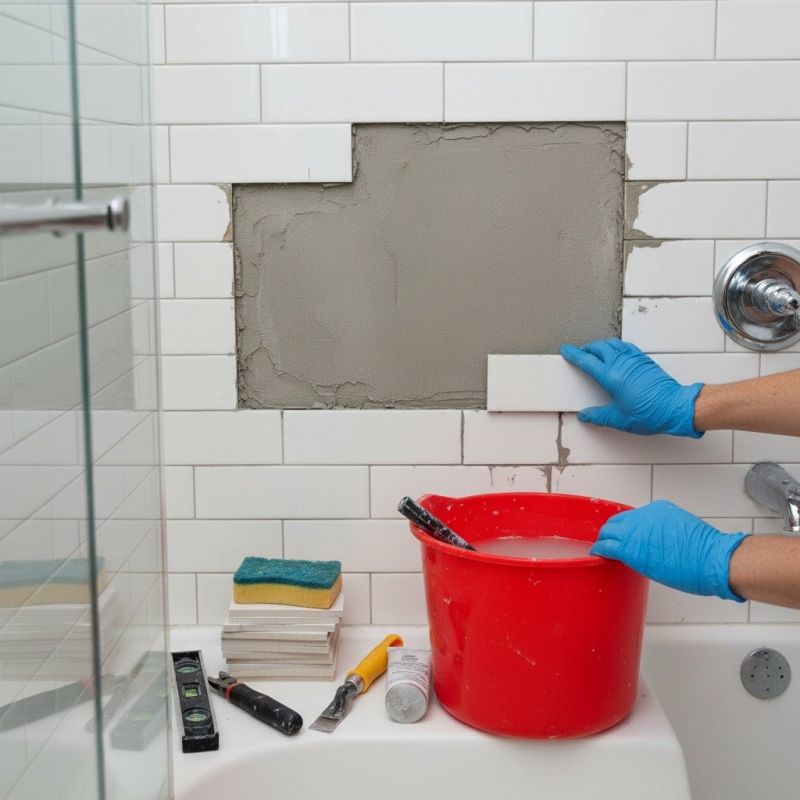
Benefits Of Waterproofing Shower Tiles
Effective waterproofing extends the lifespan of shower tiles and maintains a clean, dry environment.
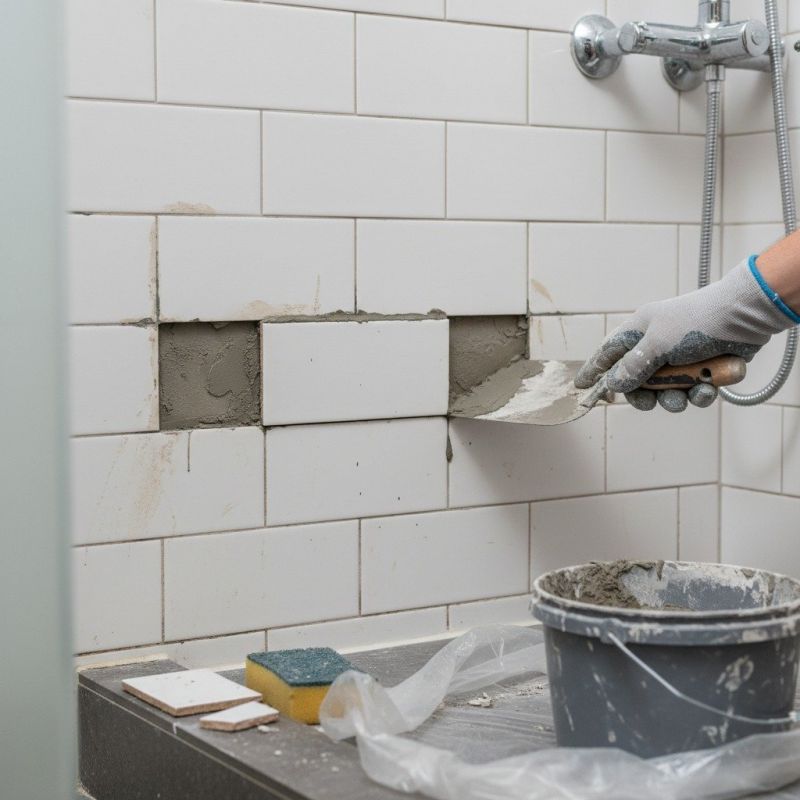
Common Waterproofing Methods
Various techniques like membranes and sealants are used to protect shower areas in denver county homes.
Shower Tile Waterproofing in Denver County, CO
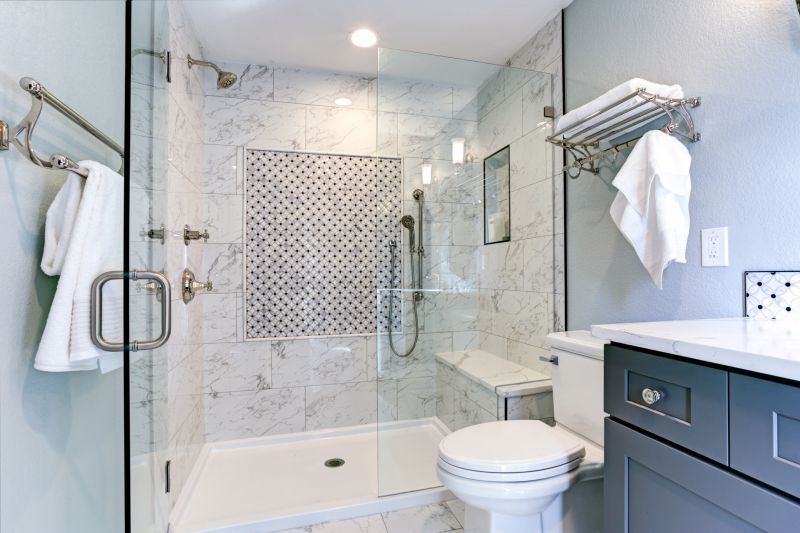
Shower tile waterproofing services help protect bathroom areas from water damage by creating a moisture-resistant barrier beneath tile surfaces. This service is essential for both new shower installations and existing setups that may be experiencing leaks or deterioration. Projects typically include sealing shower walls, floors, and joints to prevent water from seeping into underlying structures, which can cause mold, rot, and costly repairs over time. Property owners often want to understand the materials used, the scope of waterproofing, and how the process can extend the lifespan of their shower area.
Before requesting shower tile waterproofing, homeowners usually seek information about the durability of the waterproofing materials, the areas covered, and whether the service is suitable for different types of tile and grout. It’s also common to inquire about preparation steps, the importance of proper sealing, and how waterproofing can help maintain a healthy, mold-free bathroom environment. Clear understanding of these aspects can help property owners make informed decisions to protect their investment and ensure long-term bathroom functionality.
Many property owners in Denver County, CO look into Shower Tile Waterproofing for repairs, replacements, upgrades, and appearance-related improvements.
Common Shower Tile Waterproofing Jobs
Shower Tile Waterproofing - Protects shower areas from water damage and mold growth.
Bathroom Renovations - Ensures waterproofing is properly integrated during tile installation.
Wet Area Repairs - Addresses leaks and water intrusion in existing shower enclosures.
Tile Surface Preparation - Prepares surfaces to enhance waterproofing adhesion and durability.
Waterproof Membrane Application - Applies protective layers to prevent water seepage behind tiles.
Leak Prevention - Helps maintain a dry, safe shower environment by stopping water leaks early.
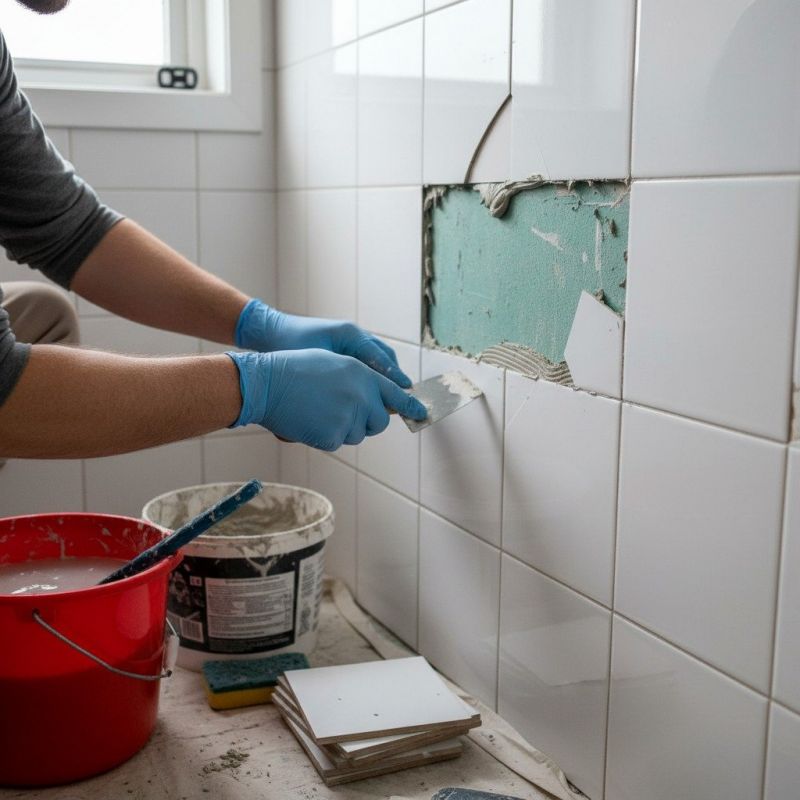
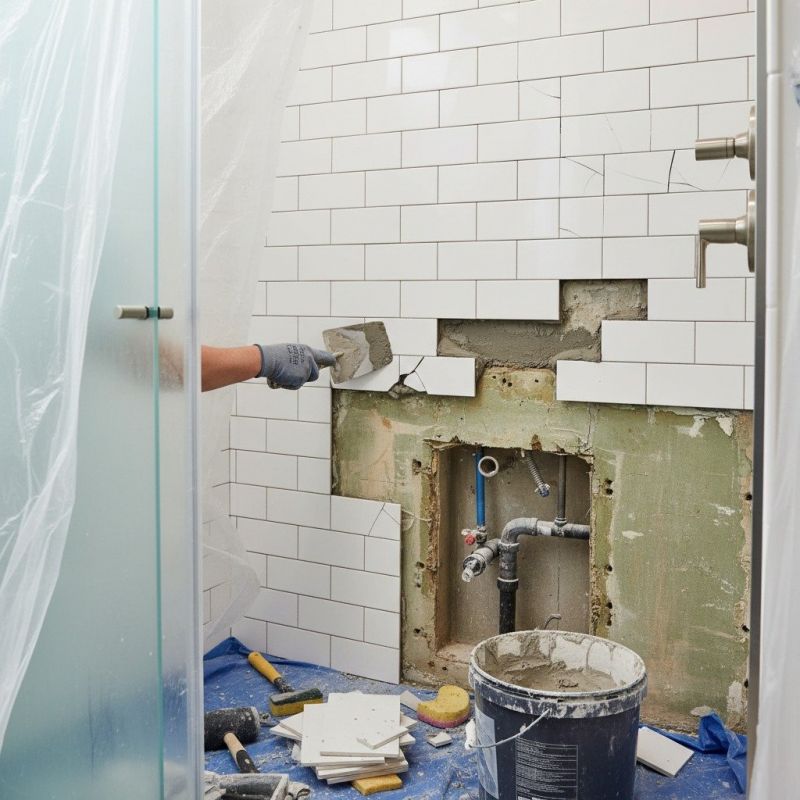
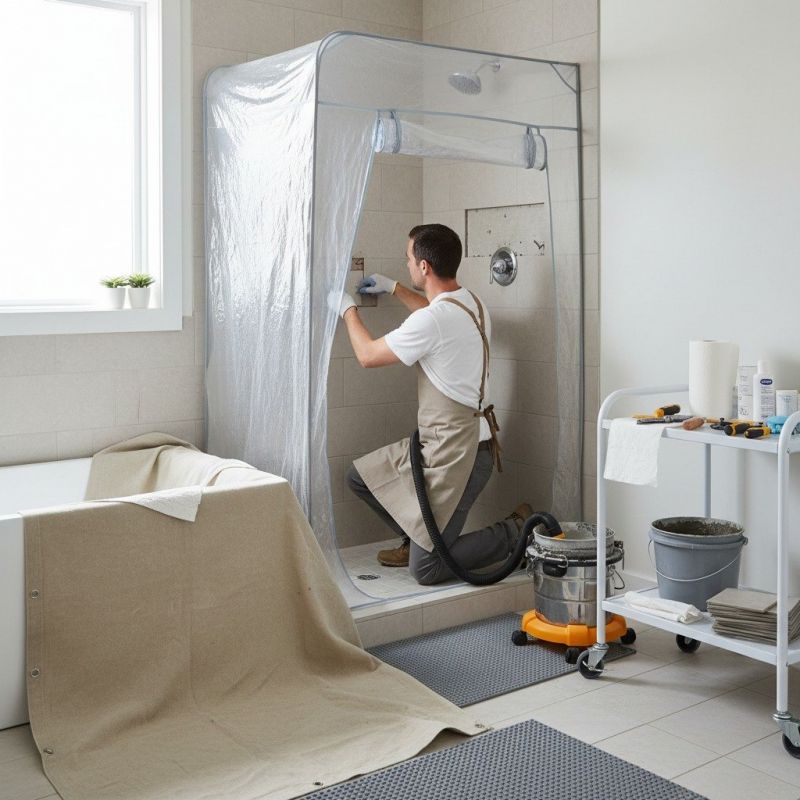
Shower Tile Waterproofing Questions
What is shower tile waterproofing? Shower tile waterproofing involves applying a waterproof barrier behind tiles to prevent water from penetrating walls and floors, reducing the risk of damage and mold growth.
Why is waterproofing important for showers? Proper waterproofing helps protect the underlying structure from water damage, prolongs the lifespan of tiles, and maintains a clean, mold-free shower environment.
What types of waterproofing methods are used? Common methods include liquid membrane coatings, waterproofing membranes, and cementitious waterproof barriers, chosen based on the shower's design and needs.
When should waterproofing be done during a shower renovation? Waterproofing is typically installed during the initial tile installation or renovation phase to ensure a sealed, moisture-resistant barrier before finishing touches are applied.
Request Shower Tile Waterproofing in Denver County, CO
Use the quote form on this page to share the basics of your project and request more information for the type of work you need.